
What We See on Winter Service Calls
Every year around this time, the calls start sounding similar: a door that felt fine all summer suddenly feels heavy, slow, or jerky when it opens. Sometimes it stops partway and reverses for no clear reason. The owner is sure something broke overnight, but what actually happened is simpler — the temperature dropped, the grease in the rollers and hinges thickened, and a spring that was already near the end of its life finally gave up under the extra strain. Cold weather doesn't create these problems out of nowhere; it exposes wear that was already building all year.
Why Cold Weather Changes How Your Door Behaves
Steel contracts slightly as temperatures fall, which can tighten tolerances in tracks and rollers that were already a little misaligned. Lubricant that worked fine in summer heat gets stiffer in cold mornings, adding resistance right at the moment your opener is trying to lift the door. And torsion springs, which do most of the heavy lifting, lose a bit of tension in cold weather — a spring that was borderline in September can feel noticeably weaker by December. None of this is dramatic on its own, but together it's why garage doors tend to act up more in winter than any other season.
Lubrication: The Easiest Fix With the Biggest Payoff
A simple seasonal lubrication job solves more winter problems than almost anything else. Use a silicone-based or lithium-based garage door lubricant — not WD-40, which cleans but doesn't lubricate well long-term — on the rollers, hinges, and the torsion spring itself. Avoid the track; it should stay clean and dry, not greasy. Ten minutes with a lubricant and a rag before the first cold snap can prevent a lot of the grinding and sticking that shows up once temperatures drop.
Weatherstripping and Seals
Winter in this area means rain, not just cold, and a worn bottom seal or brittle side weatherstripping lets water track in along the garage floor. If you store tools, a freezer, or a workbench in there, that moisture matters. Check the rubber seal along the bottom of the door for cracking or flattening, and look at the vinyl stop molding on the sides and top of the frame. Replacing worn seals is inexpensive and straightforward, and it keeps both water and cold drafts from getting underneath the door.
Spring Tension and Balance
This is the one homeowners most often miss. A door that's out of balance puts extra strain on the opener motor, and in winter that strain tends to surface as a failure rather than a slow decline. You can do a rough balance check yourself: disconnect the opener (pull the release cord), lift the door manually about halfway, and let go. A properly balanced door should stay roughly in place. If it drops or shoots upward, the springs need adjustment — and that's not a DIY repair. Torsion springs are under heavy tension and adjusting or replacing them without the right tools is genuinely dangerous.
Opener Performance in Cold, Wet Conditions
Openers can struggle in winter for a few reasons: cold affects the motor's responsiveness slightly, moisture can corrode exposed wiring or the sensor connections, and power blips during winter storms can leave the unit needing a reset. Wipe down the sensor eyes at the bottom of the track — condensation and dust buildup here is a common cause of doors that won't close properly during damp weather. If your opener is more than 10-15 years old and doesn't have battery backup, it's worth considering an upgrade before an outage leaves your garage door stuck at the worst possible time.
A Quick Pre-Winter Checklist
- Lubricate rollers, hinges, and springs with a proper garage door lubricant
- Inspect and replace worn bottom seals and side weatherstripping
- Test door balance by disconnecting the opener and checking the manual lift
- Clean sensor eyes and check opener wiring for corrosion
- Listen for new grinding, popping, or scraping sounds during operation
When to Call Patterson Garage Door
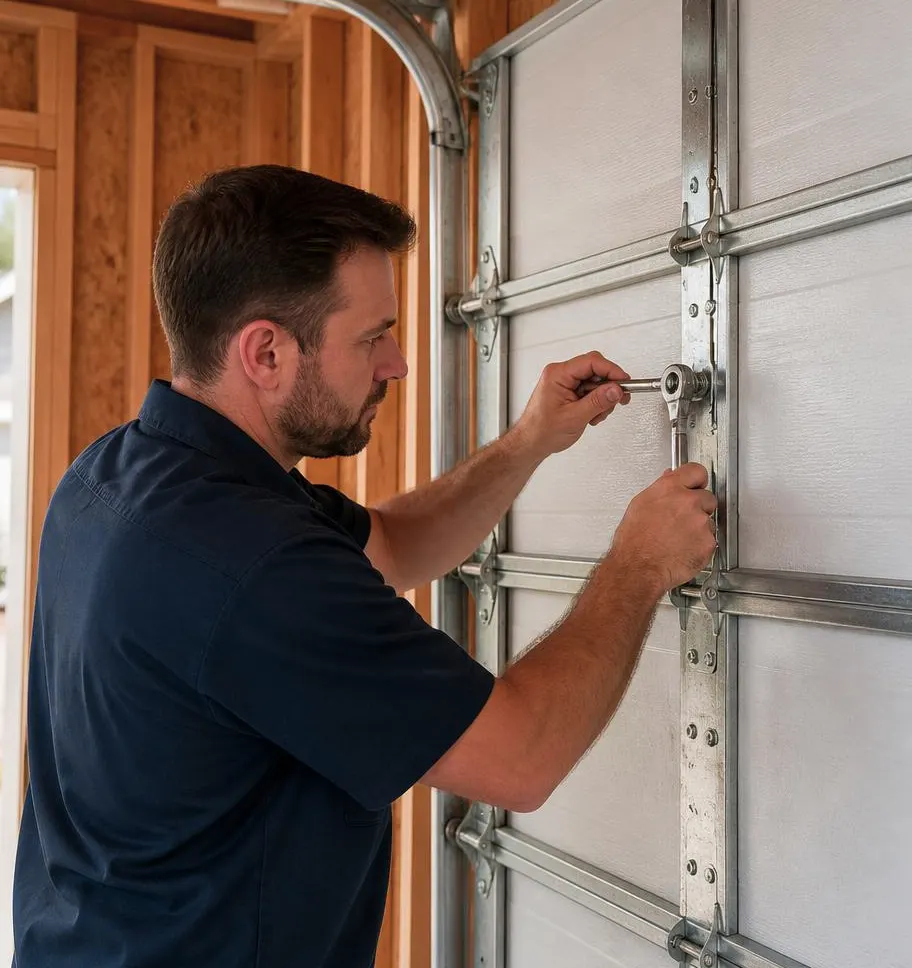
If your balance test shows a door that won't hold its position, or you're hearing new noises that lubrication doesn't fix, it's time to call in a technician rather than keep adjusting things yourself. Our Garage Door Maintenance visits cover a full inspection, lubrication, and hardware tightening before winter weather sets in, and our Spring Replacement service handles the parts that are too dangerous to DIY. We'll tell you honestly whether you need a repair now or can reasonably wait.
If you're in Patterson, Turlock, Modesto, or anywhere else in Stanislaus County and want your garage door ready before the rain and cold really settle in, give Patterson Garage Door a call. We'll get it sorted before winter makes the decision for you.